Andrea Caruso
Aug 4, 2025
AI-Powered Marketing Automation: Where to Start
Optimize your 2026 marketing strategy with a practical guide to SEO, GEO, AEO, and AI-powered automation, and learn how Lumina Studio Marketing helps brands win visibility in search, voice, and generative AI.
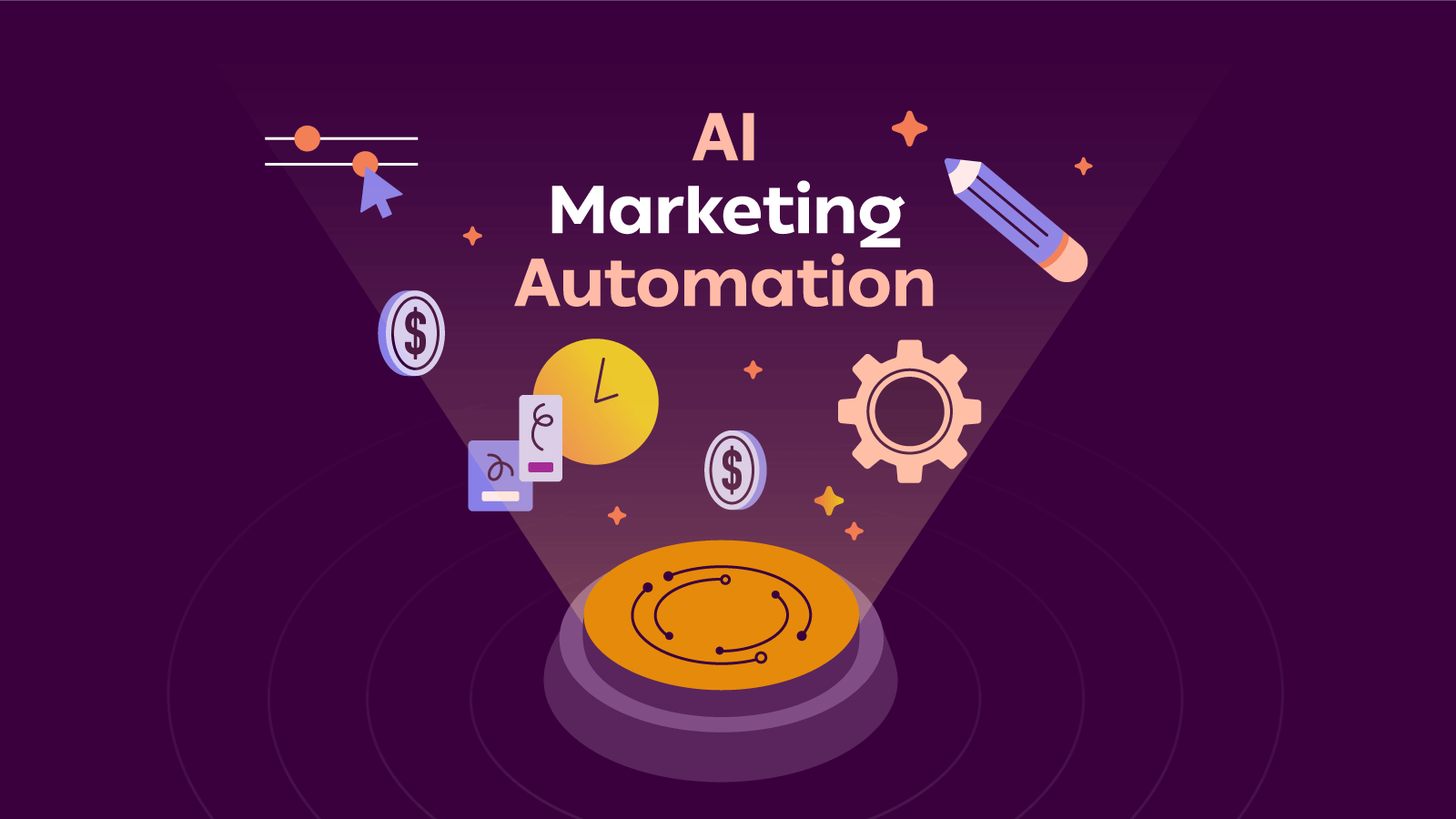
AI powered automation is reshaping how marketing teams operate, but most businesses struggle with where to begin. You face mounting pressure to scale campaigns, personalise outreach, and track performance without doubling headcount. The challenge isn't whether ai and automation can help, it's identifying which processes to automate first and how to implement systems that actually deliver measurable results. Many businesses jump into business process automation with ai without a clear roadmap, leading to fragmented tools, wasted budget, and minimal operational improvement.
At Lumina Studio Marketing, we specialise in designing and deploying automation and ai systems that integrate seamlessly with existing marketing infrastructure, helping businesses scale efficiently whilst maintaining compliance and operational control. The key to successful ai workflow automation lies in starting with high-impact, repeatable processes that free your team to focus on strategy rather than execution.
If you’re unsure where to start, our technical team can map your automation opportunities in one session. Book a free, no‑commitment AI automation strategy call with Lumina Studio Marketing.
Why AI and Automation Matters for Modern Marketing Teams
Marketing departments are drowning in manual tasks. Lead scoring, email sequencing, content distribution, and reporting consume hours that could be spent on creative strategy or customer relationships. AI powered automation addresses this by handling repetitive workflows at scale whilst maintaining consistency across channels. The operational benefit isn't just speed, it's the ability to run multiple campaigns simultaneously without proportional increases in staffing costs.
Consider the following challenges that signal readiness for automation:
Lead qualification takes longer than 48 hours, causing prospect drop-off
Campaign performance data sits in disconnected platforms, making analysis time-consuming
Personalisation at scale requires manual segmentation that limits reach
Content scheduling and distribution consume 10+ hours per week per team member
When these patterns emerge, your business is ready for structured automation and ai deployment.
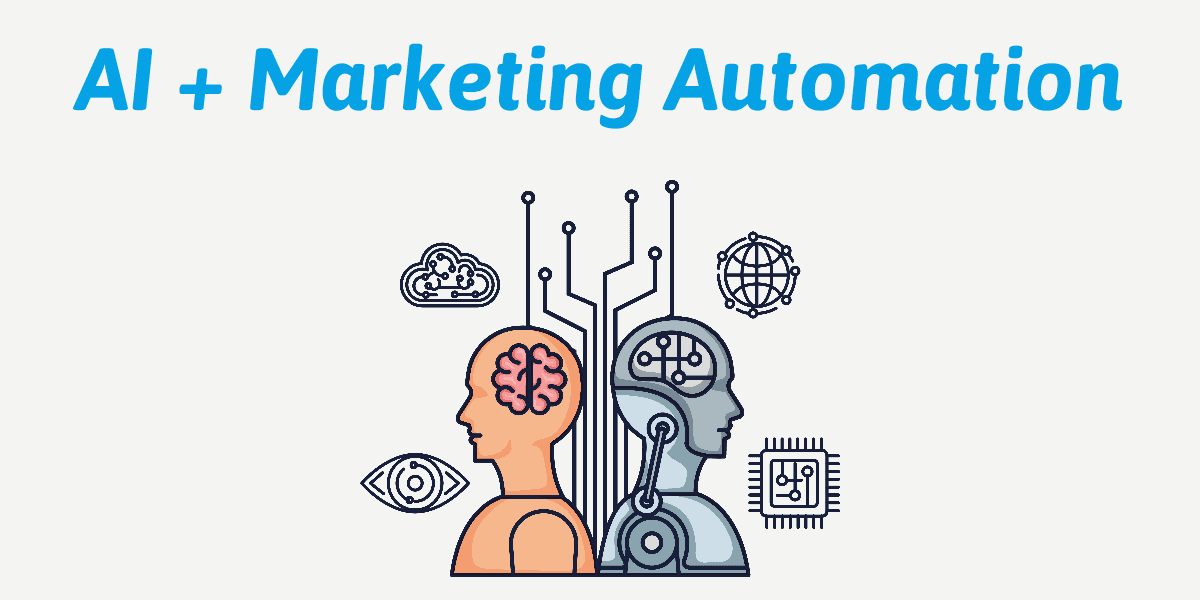
Identifying Your First Business Process Automation with AI Opportunity
Not all processes are equal candidates for automation. Start by mapping your marketing operations to identify high-frequency, rules-based tasks with clear success criteria. Lead qualification typically offers the strongest return on investment because it directly impacts pipeline velocity and sales team efficiency. Business process automation with ai works best when applied to workflows with consistent inputs, predictable decision trees, and measurable outcomes.
Evaluate processes using three criteria:
Volume: Does this task occur daily or weekly?
Consistency: Can you define clear rules for every decision point?
Impact: Will automation directly improve conversion rates, response times, or team capacity?
Email nurture sequences, CRM data enrichment, and social media scheduling meet these criteria. Strategic planning, creative development, and relationship-building do not. Focus your initial ai workflow automation efforts on operational leverage rather than replacing human judgement.
Want help identifying your highest‑impact workflows? Talk to Lumina Studio Marketing about a tailored AI process-mapping workshop to prioritise what to automate first.
Building Your Automation and AI Implementation Framework
Successful deployment requires technical infrastructure, process documentation, and team alignment. Begin with audit of your current martech stack to identify integration capabilities and data flow bottlenecks. AI workflow automation depends on clean data pipelines between platforms, if your CRM doesn't sync properly with your email platform, automation will amplify existing problems rather than solve them.
Your implementation roadmap should include:
Platform integration mapping to confirm data flows between systems
Process documentation that defines triggers, actions, and decision logic
Testing protocols that measure accuracy before full deployment
Training sessions that help your team understand when to intervene manually
Performance benchmarks that quantify efficiency gains and ROI
Start with a single workflow, deploy it fully, measure results, then expand. Parallel deployment of multiple AI powered automation systems increases complexity and makes troubleshooting difficult.
Measuring Success and Scaling Your AI Workflow Automation Systems
Track operational metrics, not just vanity numbers. Time saved per task, error reduction rates, and throughput capacity matter more than total campaigns deployed. Business process automation with ai should demonstrably reduce manual workload whilst maintaining or improving output quality. Set baseline measurements before deployment, then compare weekly performance for at least four weeks before scaling.
Monitor three categories: speed (task completion time), accuracy (error rates), and capacity (volume handled without quality degradation). When a workflow consistently meets targets for 30 days, document it as a template for similar processes. This systematic approach to automation and ai ensures each deployment builds institutional knowledge rather than creating isolated solutions.
Partner with Experts Who Understand AI-Powered Marketing Operations
Implementing AI powered automation requires both technical expertise and marketing operational knowledge. Many businesses deploy tools without the strategic framework needed to maximise their value. If you're evaluating automation platforms or struggling to integrate AI systems with existing marketing infrastructure, you need guidance from specialists who understand both the technical requirements and the marketing outcomes you're targeting. Need help mapping your automation opportunities and building a deployment roadmap? Talk to one of our technical leads.

FAQ
What is the best starting point for implementing AI-powered marketing automation?
Begin by automating high-frequency, rules-based tasks with clear success criteria, such as lead qualification, email nurture sequences, or CRM data enrichment. These processes offer the fastest return on investment and improve team efficiency without replacing strategic or creative functions.
How do I identify which marketing processes to automate first with AI?
Focus on tasks that are high-volume, consistent, and directly impact key metrics like conversion rates or response times. Map your operations to find repeatable workflows, such as automated lead scoring, email sequencing, or social media scheduling, that can be clearly defined and measured.
What are common signs my business is ready for marketing automation and AI?
Indicators include slow lead qualification, time-consuming campaign analysis due to disconnected platforms, manual segmentation limiting personalization, and high time investment in content scheduling. These pain points suggest your team would benefit from AI-powered automation.
Why is integration between platforms essential for successful AI workflow automation?
Effective AI automation relies on clean data flows between your marketing systems. If platforms like your CRM and email tools aren’t seamlessly integrated, automation can amplify data issues instead of resolving them, leading to inefficiencies and inaccurate reporting.
What steps are involved in deploying AI and automation systems for marketing?
Start with platform integration audits, process documentation, and defining triggers and actions. Implement testing protocols, train your team for key intervention points, and set performance benchmarks. Deploy one workflow at a time and refine before broader rollouts.
How should I measure the success of AI-powered marketing automation?
Track operational metrics such as time saved per task, reduction in manual errors, and increased task capacity. Monitor workflow speed, accuracy, and the ability to handle higher volumes without reducing quality. Use before-and-after comparisons over multiple weeks for accurate assessment.
Can AI automation replace creative and relationship-based marketing tasks?
No, AI and automation are most effective for repetitive, rules-driven tasks. Strategic planning, creative development, and relationship management still require human judgment and should not be fully automated.
What risks come with deploying multiple AI automation systems at once?
Implementing several automation systems in parallel increases complexity, can lead to troubleshooting challenges, and may create fragmented solutions. It's best to automate one workflow at a time, measure results, and scale gradually to ensure consistent success.
Why should I partner with experts for marketing AI and automation?
Experts bring both technical know-how and marketing operational understanding. Partnering with specialists ensures you build scalable, integrated solutions that maximize ROI, avoid fragmented toolsets, and align automation with your specific business outcomes.
How do I expand successful AI workflow automation across my marketing team?
When a workflow achieves performance targets for at least 30 days, document it and use it as a template for automating similar processes. This systematic approach allows you to scale automation efforts while building institutional knowledge and maintaining quality standards.


About the Author
Andrea Caruso
Andrea is a Business Development Manager with a background in B2B tech and startups. He works primarily with external partners and clients, focusing on growth, partnerships, and strategic opportunities. By connecting business needs with clear, actionable value propositions, he helps build long-term relationships and turn commercial strategy into sustainable growth.
Related Blogs
Related Blogs
Check our related blogs with practical insights on Marketing Automation and AI Marketing