Andrea Caruso
Aug 4, 2025
Benefits and Limitations of AI Agents
Discover what intelligent agents in AI really are, how ai-agents work, their limits, and the true pros AI agents bring to operations. Learn when agents AI outperform automation and how to deploy intelligent agents AI for real ROI. Read the guide now.
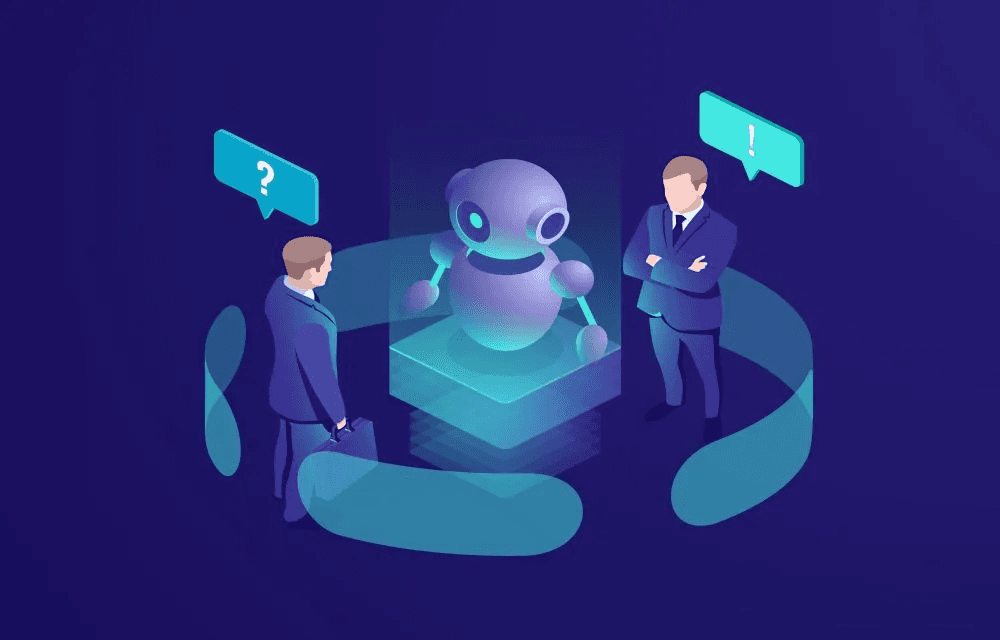
What are AI agents? The question on everyone's mind at the moment:
They are autonomous software systems that perceive their environment, make decisions, and take actions to achieve specific goals without constant human intervention.
Businesses exploring intelligent agents in ai often encounter conflicting advice about what these systems can realistically deliver. AI-agents promise significant operational gains, but understanding their practical constraints matters just as much as recognising their capabilities. Intelligent agents ai implementations range from simple chatbots to complex multi-step workflow orchestrators that connect multiple platforms and data sources. For marketing directors and operations managers, knowing when to deploy agents ai versus traditional automation determines whether projects deliver ROI or become maintenance burdens. At Lumina Studio Marketing, we design and implement AI-powered systems that solve real operational problems—helping businesses automate complex workflows, connect fragmented tools, and scale without proportional headcount increases. This article examines the genuine advantages and practical limitations of AI agent deployments, with specific reference to platforms like n8n, OpenAI, and Make.com that enable modern pros ai agents implementations.

Understanding Intelligent Agents in AI Architecture
Intelligent agents in ai systems operate through perception, reasoning, and action cycles. These agents monitor inputs from APIs, databases, or user interfaces, process that information against predefined or learned rules, and execute responses. Unlike static automation that follows rigid if-then paths, agents adapt their behaviour based on context and feedback. This adaptability makes them particularly valuable for scenarios involving variable inputs or unpredictable workflows.
Technical implementation typically involves three components:
Perception layer (webhooks, API polling, file monitoring)
Decision engine (rule-based logic, machine learning models, or large language model reasoning)
Action interface (API calls, database writes, notification triggers)
Most business applications use platforms like n8n or Make.com to orchestrate these components without custom code. OpenAI's function-calling capabilities enable agents to determine which tools to invoke based on natural language instructions. This architecture allows non-technical teams to build sophisticated ai-agents that previously required dedicated development resources.
Core Benefits of Deploying Intelligent Agents AI
Intelligent agents ai implementations deliver measurable value when applied to repetitive decision-making tasks. The primary advantage lies in consistent execution speed. An agent monitoring customer enquiries can categorise, route, and respond within seconds, maintaining service levels that manual processes cannot match during high-volume periods. This consistency extends to accuracy, as properly configured agents eliminate transcription errors and omitted steps that plague manual workflows.
Scalability represents another fundamental benefit. Adding capacity to manual processes requires hiring, training, and managing additional staff. Agent-based systems scale by allocating more compute resources or running additional instances. A Make.com scenario processing 100 lead enrichment tasks daily can handle 1,000 with minimal configuration changes and marginal cost increases. This economic model fundamentally changes growth planning for operations-heavy businesses.
Consider the operational advantages:
Twenty-four-hour availability without shift scheduling or overtime costs
Instant processing of routine tasks that previously sat in queues
Consistent application of business rules across all transactions
Automatic logging and audit trails for compliance requirements
Integration across disconnected systems without manual data transfer

Recognising Practical Limitations of Agents AI
Agents ai cannot replace human judgement in ambiguous situations. When inputs fall outside training parameters or decision trees, agents either fail, escalate, or make unpredictable choices. A customer service agent built with OpenAI's GPT-4 may handle 80% of enquiries brilliantly but misinterpret edge cases in ways that damage relationships. Businesses must design escalation paths and acceptance criteria before deployment.
Integration complexity creates another constraint. Connecting agents to legacy systems lacking modern APIs often requires middleware, custom scripts, or manual data bridges. Platforms like n8n simplify integration through pre-built nodes, but systems without webhooks or structured data outputs remain challenging. Security requirements add further complications, as agent access to sensitive systems demands careful credential management, logging, and audit controls.
Maintenance burden escalates with complexity. Simple agents performing single tasks require minimal upkeep. Multi-step agents coordinating five platforms and making conditional decisions need regular testing, monitoring, and updates when any connected system changes its API or data structure.
Evaluating the Pros AI Agents Offer Your Operations
The pros ai agents deliver depend entirely on use case selection. Ideal applications involve high-volume, well-defined tasks with clear success criteria and structured data inputs. Lead qualification, appointment scheduling, data enrichment, and compliance reporting fit this profile. Creative strategy, relationship building, and ambiguous problem-solving do not.
Cost-benefit analysis must account for setup investment. Building a functional agent in Make.com might require 20-40 hours of workflow design, testing, and refinement. Monthly platform costs range from £10 to £200 depending on execution volume. Compare this to the fully loaded cost of manual processing including salary, benefits, training, and management overhead. Payback periods typically range from three to twelve months for appropriate use cases.

Choosing Implementation Platforms and Integration Approaches
Platform selection significantly impacts success. n8n offers self-hosted deployment and extensive customisation for technical teams comfortable with JSON and API documentation. Make.com provides visual workflow building with lower technical barriers but less flexibility for complex logic. Direct integration with OpenAI's API grants maximum control but requires development resources and ongoing maintenance.
Most businesses benefit from starting small with a single high-impact workflow. Test agent behaviour under realistic conditions before expanding scope. Monitor accuracy rates, processing times, and error patterns during initial deployment. Build human review checkpoints into workflows until confidence in agent performance reaches acceptable levels.
Strategic Implementation Guidance
Successful agent deployment requires matching technical capabilities to operational needs without overengineering simple problems. Start by documenting your current manual process completely, including exceptions, edge cases, and decision points. Map these requirements against agent capabilities honestly, identifying where autonomous operation makes sense and where human oversight remains necessary.
Need help evaluating which workflows in your business would benefit most from agent-based automation? Our team can walk through your operations and identify high-ROI opportunities that match your technical infrastructure and team capabilities.
FAQ
What are intelligent agents in AI and how do they work?
Intelligent agents in AI are autonomous software systems that perceive their environment, make decisions, and act to achieve specific goals. They operate through cycles of perception (gathering inputs), reasoning (processing data and making decisions), and action (executing tasks), often adapting to context and feedback without constant human intervention.
What types of business tasks are best suited for AI agents?
AI agents excel at high-volume, repetitive, and well-defined tasks, such as lead qualification, appointment scheduling, data enrichment, and compliance reporting. These applications benefit from structured data, clear success criteria, and require consistent, fast execution.
How do AI agents differ from traditional automation tools?
Unlike traditional automation—which follows rigid, predefined steps—AI agents adapt their behavior based on context, feedback, and variable inputs. This adaptability enables them to handle more complex and unpredictable workflows that standard automation cannot address effectively.
What are the main benefits of deploying AI agents in business operations?
Key benefits include 24/7 task processing, instant and accurate execution of routine tasks, consistent application of business rules, scalable operations with minimal incremental costs, and automated logging for compliance. AI agents also integrate disconnected systems without manual data transfers.
What limitations should businesses consider before implementing AI agents?
Limitations include the inability to handle ambiguous scenarios requiring human judgment, integration challenges with legacy systems lacking APIs, increased maintenance for complex multi-step agents, and the need for robust security and audit controls when accessing sensitive data.
How should businesses choose between platforms like n8n, Make.com, and OpenAI for implementing AI agents?
Choice depends on technical resources and use-case complexity. n8n offers deep customization and self-hosting for technical teams, Make.com provides user-friendly visual workflow building, and direct OpenAI API integration requires development skills but offers maximum control.
What costs are involved in developing and maintaining AI agents?
Initial setup can take 20–40 hours for workflow design and testing. Monthly platform fees typically range from £10 to £200 based on execution volume. Ongoing maintenance is needed, especially for complex workflows, but payback periods often fall between three and twelve months.
How can businesses ensure successful deployment of AI agents?
Success depends on documenting existing manual workflows, identifying exceptions and edge cases, matching tasks to agent capabilities, starting with a small, high-impact process, and monitoring performance. Ongoing human oversight is recommended until agent accuracy and reliability are proven.
When are AI agents not the right solution for a business workflow?
AI agents are less effective for tasks requiring subjective decision-making, creative strategy, relationship management, or handling data that lacks standardization. Human involvement is essential for these nuanced, ambiguous, or unstructured scenarios.
How do AI agents handle integration with legacy or disconnected business systems?
Integration can be challenging if legacy systems lack APIs or structured outputs. Solutions may require middleware, custom scripts, or manual data bridges. Platforms like n8n offer pre-built connectors, but some situations will need additional effort for secure, reliable integration.


About the Author
Andrea Caruso
Andrea is a Business Development Manager with a background in B2B tech and startups. He works primarily with external partners and clients, focusing on growth, partnerships, and strategic opportunities. By connecting business needs with clear, actionable value propositions, he helps build long-term relationships and turn commercial strategy into sustainable growth.
Related Blogs
Related Blogs
Check our related blogs with practical insights on Marketing Automation and AI Marketing